Choosing to express milk is a wonderful gift for your baby. But to make the most of it, rigorous hygiene is essential. Poor cleaning of your breast pump parts can lead to bacterial contamination of your expressed milk, potentially causing digestive issues or oral thrush in your little one.
The good news: cleaning your breast pump is straightforward once you have a clear routine in place. Here is everything you need to know, step by step.
What do you need to clean your breast pump?
Before you start, gather the following:
- Mild washing-up liquid
- Drinking-quality water
- A clean basin reserved exclusively for your baby's feeding equipment
- A dedicated bottle brush
- A dishwasher (optional)
💡 The NHS recommends sterilising all feeding equipment until your baby is 12 months old. Beyond that age, a thorough wash with hot soapy water is generally sufficient for healthy babies.
Which parts need to be cleaned and sterilised?
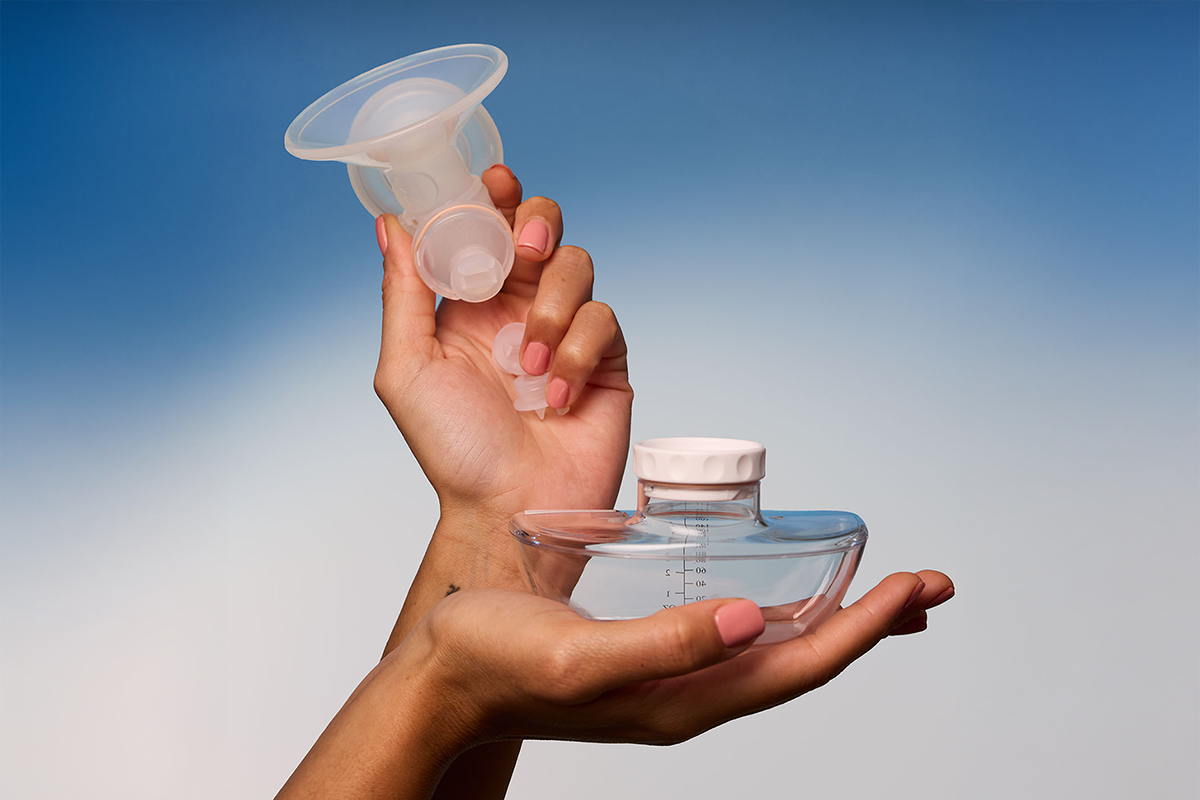
Only the parts that come into direct contact with your breast milk need to be cleaned after each use. For the Perifit Pump, this includes:
- The breast shields (flanges)
- The valves and membranes
- The diaphragm
- The connectors
- The milk collection bottles
The motor unit must never be submerged in water or placed in a dishwasher.
💡 Always disassemble the valve and O-ring before washing and drying to prevent mould from forming in hard-to-reach areas.
How to clean your breast pump parts after each use
Step 1: Cold water rinse
As soon as possible after expressing, rinse all parts under cold running water to remove milk residue. This pre-wash step prevents milk from drying and makes the full wash much easier.
💡 Bacteria thrive in breast milk. Do not leave milk residue sitting in your pump parts between sessions.
Step 2: Wash thoroughly
Option 1 - Hand washing (recommended):
- Fill a clean basin with hot water and a few drops of mild washing-up liquid.
- Scrub each part thoroughly with your bottle brush, paying attention to joins and small crevices.
- Rinse each piece abundantly under clean running water.
- Place parts on a clean, dry cloth and leave to air dry completely.
- Wash the basin and brush after each use, and leave them to air dry.
Option 2 - Dishwasher:
- Place parts securely in the dishwasher, ideally in a closed-lid cutlery basket or a mesh laundry bag to avoid losing small pieces.
- Run a hot wash and dry cycle.
- If parts are not fully dry after the cycle, leave them to air dry on a clean cloth.
When should you sterilise your breast pump parts?
Sterilisation goes one step further than washing alone by eliminating all germs. It is required before the first use of your pump, and then regularly depending on your baby's situation.
Daily sterilisation is recommended if your baby:
- Is under 2 months old
- Was born prematurely
- Has a weakened immune system (illness, medical treatment)
For healthy babies over 2 months old, daily sterilisation is not mandatory. A thorough hot, soapy wash after each session is generally sufficient.
Sterilise again if:
- Parts have been exposed to contaminants
- You or your baby are unwell
💡 Always consult your midwife or health visitor for personalised advice based on your baby's specific health needs.
How to sterilise breast pump parts
Boiling water sterilisation
- Prepare a saucepan with enough water to fully submerge all parts.
- Bring to a rolling boil.
- Use tongs to place the disassembled, pre-washed parts into the water.
- Boil for 5 minutes.
- Remove parts with clean tongs and leave to air dry on a clean cloth.
Dishwasher sterilisation
If your dishwasher has a high-temperature wash and dry cycle, this can be used for both cleaning and sterilising in one step.
💡 We advise against using steam sterilisers for Perifit Pump parts. The temperature reached inside a steam steriliser exceeds that of boiling water and can damage the materials, voiding your warranty. Stick to boiling, hand washing, or a hot dishwasher cycle.
How to dry and store sterilised parts
Drying is just as important as cleaning. Moisture left on parts encourages bacterial growth, undoing all your efforts.
- Shake off excess water and lay parts on a clean, dry cloth.
- Leave to air dry completely before reassembling or storing.
- Never use a kitchen towel to dry parts as it can transfer bacteria.
- Once dry, store parts in a clean, covered container or a resealable bag to keep them dust-free until the next use.
💡 Invest in two sets of pump parts so you can alternate between them, always having one clean set ready to use.
Mistakes to avoid
- Not disassembling fully: Every component in contact with milk must be separated and cleaned individually.
- Incomplete drying: Always allow parts to dry completely before storage.
- Storing damp parts in an airtight container: This creates the perfect environment for mould.
- Using harsh cleaning products: These can leave residues and damage materials. Always choose products safe for baby feeding equipment.
- Reusing sterilisation water: Change the water at every sterilisation session.
- Using a microwave: Extremely high temperatures can warp and damage your pump parts.
Regular cleaning also extends the lifespan of your equipment. To keep your pump performing at its best, find out when to replace breast pump parts before they affect your milk output.
Cleaning and sterilising your breast pump may feel like one more task on an already long list. But with the right products, a clear routine, and a little organisation, it quickly becomes second nature.
A clean pump protects your baby's health and also extends the life of your equipment. If you have any doubts about the best routine for your specific situation, your midwife or health visitor is always the right person to ask.
Source: