
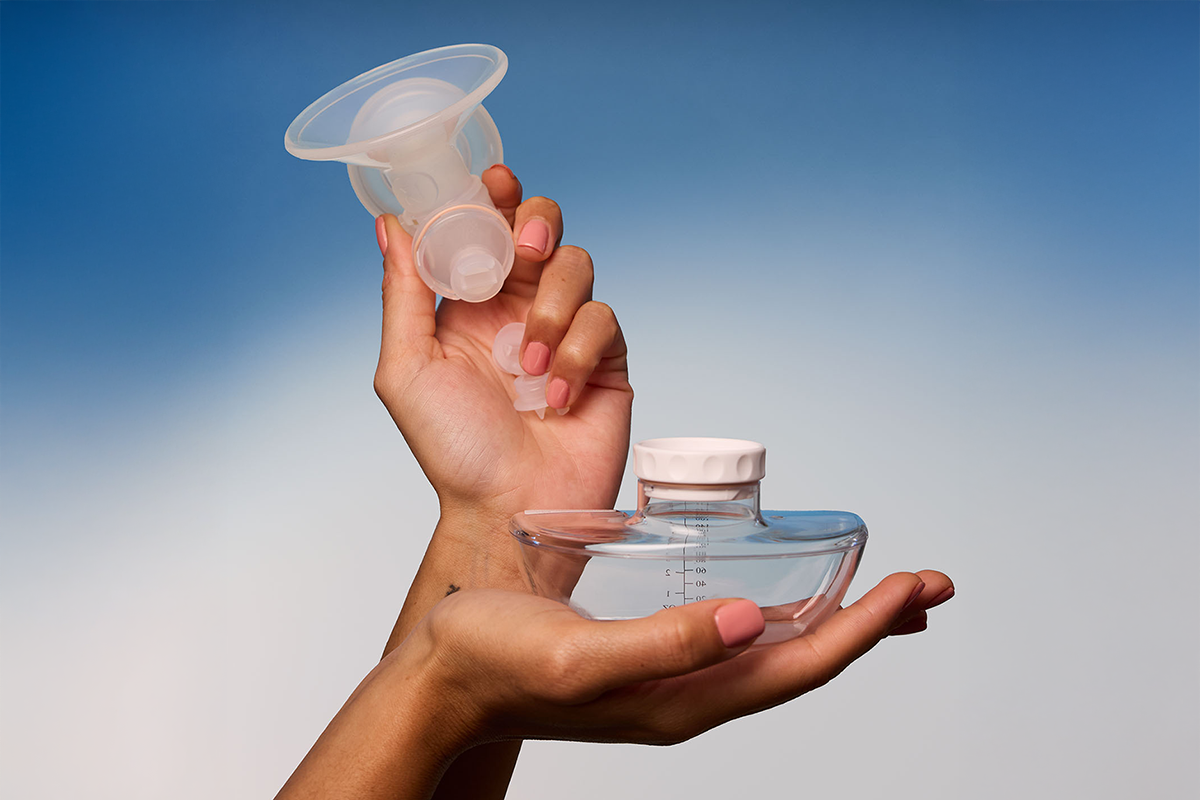
You sterilise your bottles, wash your hands before every feed, and track every ounce expressed. But when did you last check the condition of your breast pump parts?
Worn or damaged components are one of the most common — and overlooked — reasons for a drop in milk output. Valves, membranes, flanges: each part has a lifespan. Replacing them on time makes a real difference to both efficiency and hygiene.
This guide walks you through what to look for, how often to replace each component, and how to extend the life of your pump.
Why replacing breast pump parts matters
Cleaning your pump after every use is essential. But cleaning alone cannot compensate for wear and tear.
Over time, small cracks form in silicone, membranes lose their flexibility, and valves stop sealing properly. The result: reduced suction, longer pumping sessions, and a higher risk of bacterial contamination in parts that are difficult to clean thoroughly.
For exclusively pumping parents, this can directly affect milk supply. Studies on breastfeeding support highlight that maintaining consistent suction is key to stimulating production — and that drops in pump performance often go unnoticed until supply is already impacted.
💡 If your sessions have been feeling less efficient lately, worn parts are worth checking before assuming a supply issue.
Signs that your breast pump parts need replacing
You do not always need to wait for the recommended timeframe. Watch for these warning signs:
- Visible cracks, tears, or yellowing on valves, membranes, or tubing
- Milk residue that will not wash off
- A noticeable drop in suction, even after reassembling correctly
- Longer sessions needed to express the same amount
- Squeaking or unusual noise during pumping
- A flange that no longer fits comfortably
If you notice any of these, replace the affected part straight away — regardless of how recently it was last changed.
Replacement schedule by component
Valves and membranes
Valves control the flow of milk and are the parts most prone to wear. Replace them every 2 to 3 months if you pump daily, or sooner if you notice reduced suction.
Membranes (also called diaphragms) create the suction seal. They typically last 3 to 6 months, but exclusive pumpers often need to replace them closer to every 8 to 10 weeks.
A torn or stretched membrane is one of the most frequent causes of sudden suction loss.
Tubing
Tubing does not come into contact with milk in a closed-system pump. However, if you notice moisture inside the tube, mould, or visible discolouration, replace it immediately.
As a general rule, inspect tubing monthly and replace every 6 months as a precaution.
Flanges
Flanges are the breast shields that sit directly against your skin. They should last around 6 months with regular use, but replace sooner if you notice cracks or warping.
Fit matters as much as condition. An incorrectly sized flange can cause nipple pain, restrict milk flow, and reduce output — even if the part looks intact. If pumping feels uncomfortable, a different flange size may be needed rather than a replacement of the same size.
💡 Research suggests that up to 50% of breastfeeding parents use the wrong flange size. A midwife or lactation consultant can help you find the right fit.
Tips for extending the life of your pump parts
Replacing parts regularly is important — but good care between changes makes a real difference.
- Clean your breast pump thoroughly after every use with warm water and mild washing-up liquid
- Allow all parts to air dry completely on a clean surface before reassembling
- Avoid boiling silicone parts repeatedly — this degrades the material faster
- Store clean parts in a covered container to prevent dust and contamination
- Keep spare valves and membranes to hand so you can swap them out quickly
💡 Avoid using abrasive sponges or strong cleaning products on silicone parts. These can cause micro-tears that are not always visible but harbour bacteria.
Can you use generic replacement parts?
It can be tempting to opt for cheaper third-party alternatives — particularly when pumping consumables add up quickly.
However, generic parts are not always compatible with your specific pump model. They may not create a proper seal, which affects suction and can introduce hygiene risks. For the Perifit Pump, using original replacement parts is strongly recommended to maintain performance and safety.
Is it safe to use second-hand pump parts?
As a general rule, no. Breast pump parts are personal medical devices. Even with thorough cleaning, used components may harbour pathogens that are not eliminated by standard sterilisation methods.
If you are using a second-hand pump motor (which is common and generally safe for closed-system pumps), always replace all consumable parts — valves, membranes, tubing, and flanges — with brand new ones before your first use.
Does NHS or private health cover replacement parts?
In the UK, breast pump coverage varies. The NHS does not typically provide free replacement parts, though some maternity units lend hospital-grade pumps.
If you have private health insurance or a healthcare cash plan, it is worth contacting your provider to ask specifically:
- Whether breast pump accessories are covered
- How frequently replacements are included
- Which components are eligible
Some employers also offer this as part of enhanced maternity support. A few minutes on the phone could save a significant amount over the course of your pumping journey.
Your breast pump is a tool you rely on — sometimes multiple times a day. Keeping its components in good condition is not an optional extra; it is part of safe, effective breastfeeding support.
Check your parts regularly, replace them at the intervals recommended above, and do not wait for a noticeable drop in performance before acting. A small investment in new valves or membranes can make a meaningful difference to your sessions, your comfort, and your supply.
If you are unsure about fit, wear, or pump performance, a midwife or lactation consultant can offer personalised guidance.
Sources: