
You've been feeding well, your baby seemed settled — and then, out of nowhere, your milk feels like it has reduced. A sudden drop in milk supply is one of the most distressing experiences for breastfeeding mothers. But in the vast majority of cases, it is temporary and reversible.
This guide explains the most common causes, how to tell whether your supply has genuinely decreased, and the steps you can take to get things back on track — with support from NHS resources and lactation professionals.
Is it normal to experience a sudden drop in milk supply?
Fluctuations in milk production are completely normal, especially in the first few months postpartum. Your body is constantly adjusting to your baby's needs.
The key is to distinguish between a perceived drop and a real one. Many mothers worry when their breasts no longer feel as full — but this is often a sign that your body has simply regulated its supply, not lost it.
💡 Breast fullness and milk leaking are not reliable indicators of supply. Focus instead on your baby's weight gain and the number of wet nappies per day to assess whether they are getting enough milk.
Common causes of a sudden drop in milk supply
Hormonal changes and stress
Hormonal shifts are one of the most frequent triggers. The return of your period, a new pregnancy, or starting hormonal contraception can all reduce milk production suddenly.
Stress and exhaustion also play a significant role. They inhibit the let-down reflex and reduce overall production. If you are feeling overwhelmed, speak to your health visitor or GP — they can signpost you to additional postnatal support.
Always ask your GP or midwife about contraception compatible with breastfeeding. Progestogen-only options (such as the mini pill) are generally preferred.
💡 If you have recently started a new medication, ask your GP or pharmacist whether it may affect your milk supply. Some antihistamines, decongestants, and certain hormonal treatments are known to reduce production.
Diet, hydration, and lifestyle
Producing breast milk is energy-intensive. Your body uses an additional 300 to 500 kcal per day during breastfeeding. If your calorie intake or hydration drops, your supply can follow.
Practical tips for mothers:
- Aim for at least 2 litres of water per day — keep a glass beside you every time you feed.
- Eat regular, balanced meals rich in healthy fats, protein, and wholegrains.
- Smoking and alcohol are both known to negatively affect milk supply and infant health. Support to stop smoking is available free through the NHS.
Feeding patterns and latch issues
Milk supply works on a supply-and-demand basis. If feedings become less frequent — due to introducing formula, returning to work, or a change in routine — your body will produce less.
Latch issues can also reduce the effectiveness of each feed, even if the baby appears to be nursing. If you suspect a latch problem, contact a breastfeeding support worker, your local NHS infant feeding team, or a certified lactation consultant (IBCLC).
Signs that your milk supply may be decreasing
Your baby's weight and nappy output
Slow or stalled weight gain is the most reliable indicator that your baby is not receiving enough milk. The NHS recommends regular weighing at your children's centre or GP surgery.
Monitor wet nappies closely. After the first week, your baby should have at least 6 to 8 heavy wet nappies per day. Fewer than this warrants a call to your midwife or health visitor.
Behaviour and feeding cues
A baby who is not getting enough milk will often show signs:
- Increased fussiness or crying, especially after feeds
- Feeding more frequently without seeming satisfied
- Seeming lethargic or unusually sleepy
💡 Your baby is your best indicator. If they seem unsettled, are feeding constantly, or have dry lips and sunken eyes, contact your health visitor or GP without delay. These can be signs of dehydration.
Changes when pumping
If you express regularly, a consistent reduction in output over several sessions — not just the occasional low-yield pump — may indicate a supply change. Track your output over 3 to 5 days before drawing conclusions.
How to increase milk supply after a sudden drop
Nurse or pump more frequently
Frequency is the single most effective strategy. Aim to feed or express every 2 hours, including at least one night session if possible. Frequent stimulation sends a clear signal to your body to increase production.
Power pumping is a technique designed to mimic cluster feeding and send a strong signal to your body to produce more milk. One common protocol involves pumping for 20 minutes, resting for 10 minutes, pumping again for 10 minutes, resting for 10, and pumping a final 10 minutes. Repeat once a day for several days.
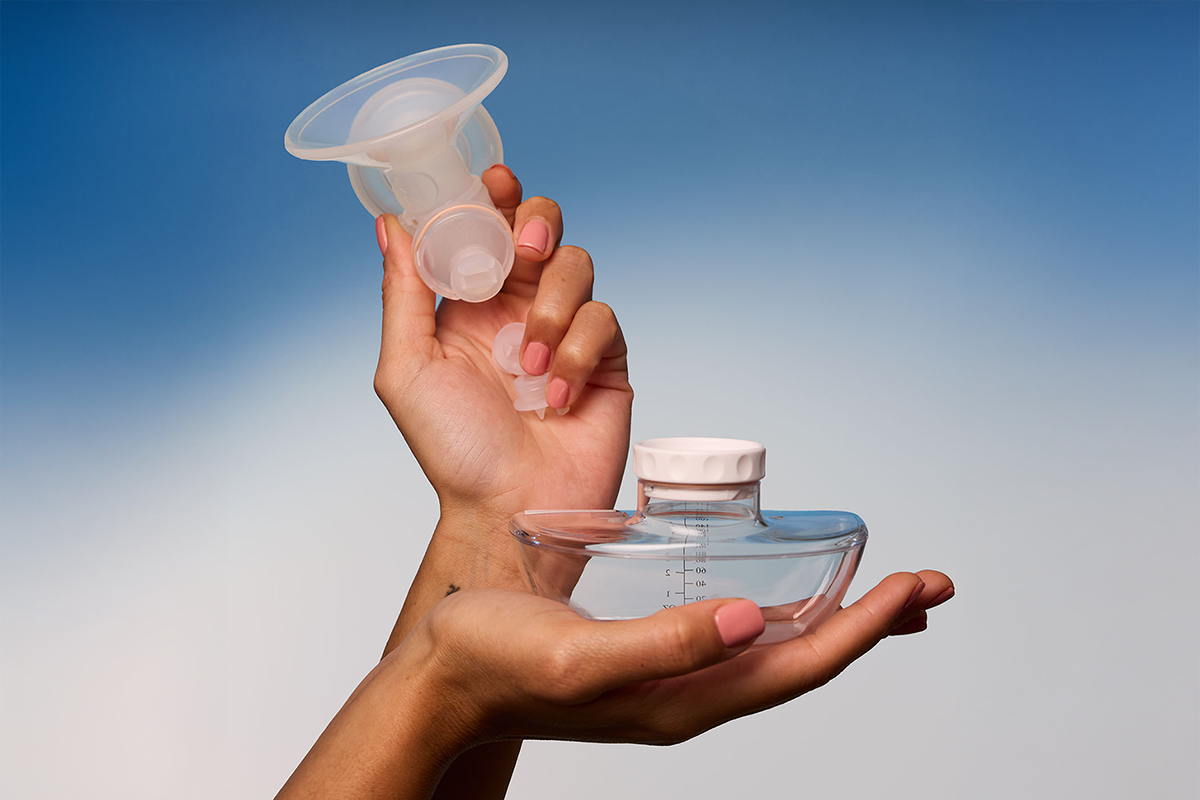
The Perifit Pump includes a built-in power pumping programme, which takes the guesswork out of the process. It automatically manages the timing cycles for you, so you can focus on relaxing and letting down. Its adjustable suction levels and ergonomic design make it particularly well-suited for longer sessions — comfort matters when you are pumping frequently.
💡 Choosing the correct flange size is essential to pumping comfort and efficiency. An ill-fitting flange can reduce output and cause discomfort. The Perifit Pump comes with guidance to help you find the right fit.
Maximise skin-to-skin contact
Skin-to-skin contact stimulates the release of oxytocin, which triggers milk let-down and supports production. Even outside of feeds, holding your baby against your skin — especially in the first weeks — has a measurable effect on supply.
Support your body with rest and nutrition
Prioritise sleep wherever possible. Ask your partner, family, or a postnatal doula for practical help so you can rest between feeds.
Focus on nutrient-dense foods: oats, lentils, leafy greens, eggs, and oily fish are all associated with good postpartum recovery.
Consider galactagogues with caution
Certain herbs and foods are traditionally associated with milk production. These include fenugreek, blessed thistle, and oat-based products.
Important: the evidence base for galactagogues is limited. Always consult your GP, pharmacist, or lactation consultant before taking any supplement while breastfeeding.
💡 Domperidone is sometimes prescribed off-label in the UK to increase milk supply. This must be initiated by a GP following an assessment of your medical history. It is not a first-line solution and should always be combined with frequent feeding or pumping.
How to prevent future drops in milk supply
Maintain a consistent feeding schedule
Regular feeding or expressing — every 2 to 3 hours — is the foundation of a healthy supply. If you are returning to work, try to align your pumping schedule with your baby's usual feeding times.
Address problems early
Do not wait for issues to resolve on their own. Pain during feeds, blocked ducts, or signs of mastitis should be addressed immediately. Contact your midwife, health visitor, or GP.
Sunflower lecithin is sometimes recommended for recurrent blocked ducts. Speak to a lactation consultant for personalised guidance.
Build your support network
Breastfeeding can be isolating, especially in the early weeks. In the UK, you have access to:
- NHS infant feeding teams (contact your local hospital or health visitor)
- National Breastfeeding Helpline: 0300 100 0212 (9am to 9pm, daily)
- La Leche League GB: laleche.org.uk
- Association of Breastfeeding Mothers: abm.me.uk
- Peer support groups at children's centres (find yours via NHS.uk)
When should you seek medical help?
Contact your GP, midwife, or health visitor promptly if:
- Your baby has fewer than 6 wet nappies per day after the first week
- Your baby is losing weight or not regaining birth weight by 2 weeks
- You notice signs of dehydration: dry mouth, sunken fontanelle, no tears when crying
- You have pain, swelling, or redness in your breast (possible mastitis)
- Your supply has not responded after 5 to 7 days of frequent nursing or pumping
An International Board Certified Lactation Consultant (IBCLC) can provide a detailed feeding assessment and personalised plan. You can find a registered consultant via the LCGB directory at lcgb.org.
A sudden drop in milk supply is almost always temporary. In most cases, the cause is identifiable and addressable with the right support.
Stay well-hydrated, feed or express frequently, and do not hesitate to ask for help. The NHS and breastfeeding charities in the UK offer excellent, free support.
Every breastfeeding journey is different. Be patient with yourself, trust your body, and take things one feed at a time.
Sources: