Involuntary urine leakage can be deeply frustrating, and often isolating. If you experience both a sudden, intense need to urinate and leaks when you cough, laugh, or exercise, you may be dealing with mixed urinary incontinence (MUI). A UK population-based study of 1,415 women found that around 20% reported symptoms of mixed incontinence — making it the second most common type of urinary leakage after stress incontinence. Despite how widespread it is, only 1 in 5 women with incontinence seek professional help. Understanding what MUI is, and what you can do about it, is the first step towards regaining confidence and control.
What is mixed urinary incontinence?
Mixed urinary incontinence (MUI) is characterised by the simultaneous presence of two distinct types of leakage: stress incontinence and urge incontinence.
Stress urinary incontinence (SUI) involves involuntary leakage when pressure is placed on the bladder — during a cough, sneeze, laugh, or physical activity such as running or jumping. It occurs because the pelvic floor muscles supporting the urethra have become weakened.
Urge urinary incontinence (UUI), often associated with an overactive bladder, is defined by a sudden, strong, and difficult-to-defer urge to urinate, followed by leakage if you cannot reach a toilet in time. It is caused by involuntary contractions of the detrusor muscle in the bladder wall.
MUI involves both mechanisms simultaneously. A woman with MUI might experience leakage on a treadmill (SUI), but also lose urine shortly after a sudden, intense urge — even when her bladder is not full (UUI). This dual presentation makes MUI more complex to manage than either condition alone, and requires a targeted approach that addresses both components.
💡 MUI prevalence peaks between the ages of 55 and 64, whilst stress incontinence is most common in women aged 35 to 44. If your symptoms have changed over time, it is worth reassessing your diagnosis with a healthcare professional.
Symptoms of mixed incontinence
Because MUI combines stress and urge incontinence, its symptoms can vary considerably. Recognising which type of leakage is dominant in your own experience helps guide the most effective treatment.
Stress-related leaks
- Leaking urine when coughing, sneezing, or laughing.
- Involuntary loss of urine when lifting heavy objects, bending, or changing position.
- Leaks during high-impact exercise, such as running, jumping, or aerobics.
- Leaking during intercourse, particularly with penetration or orgasm.
Urge-related leaks
- A sudden, compelling, and hard-to-defer urge to urinate (urgency).
- Involuntary leakage immediately following this strong urge.
- Urinating more than eight times in a 24-hour period (frequency).
- Waking two or more times during the night to urinate (nocturia).
The cumulative impact on daily life can be significant. Research consistently shows that incontinence is associated with social withdrawal, reduced physical activity, and a measurable decline in wellbeing and mental health.
Causes and risk factors
MUI arises from a combination of factors that affect both pelvic floor muscle strength and bladder control. Understanding these underlying causes helps determine the most appropriate treatment pathway.
Weakened pelvic floor muscles
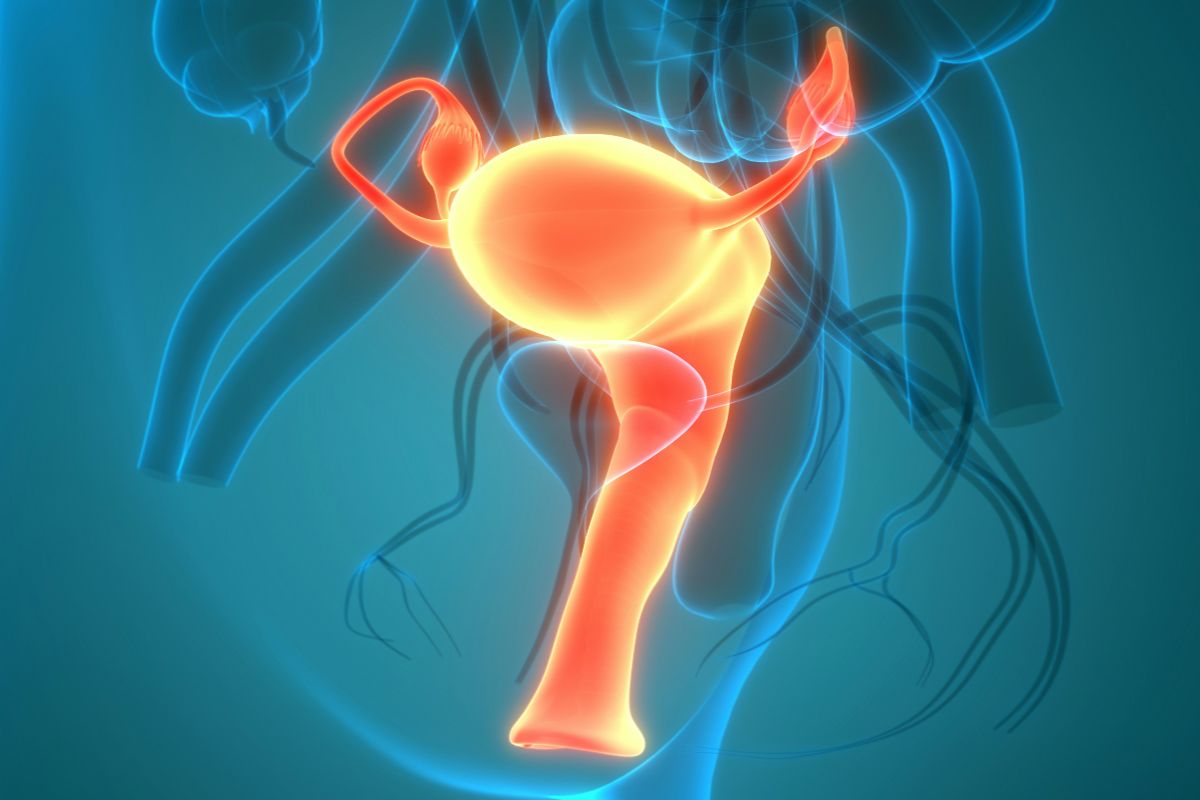
The muscles and connective tissues of the pelvic floor act as a supportive sling for the bladder, uterus, and bowel, and control the opening and closing of the urethra.
- Pregnancy and vaginal delivery: the physical strain of pregnancy and the stretching or tearing of muscles and nerves during labour are among the primary risk factors for SUI symptoms that contribute to MUI.
- Pelvic surgery: procedures such as hysterectomy can affect the pelvic support structures.
Age and menopause
- Hormonal changes: the decline in oestrogen during menopause affects the tissue lining the urethra and bladder. This can thin the urethral lining, contributing to both weakness (SUI) and increased bladder sensitivity (UUI).
Lifestyle and health factors
- Excess body weight: places constant pressure on the bladder and pelvic floor, worsening stress leaks.
- Chronic coughing: conditions such as asthma, chronic bronchitis, or smoking-related cough put repetitive strain on the pelvic floor over time.
- Nerve damage: conditions such as multiple sclerosis, Parkinson's disease, or diabetes can disrupt the nerve signals that control bladder function, contributing to both poor muscle control (SUI) and involuntary bladder contractions (UUI).
💡 Around 7 million people in the UK have urinary incontinence — but this figure may be higher, as many never see a GP. Women are approximately twice as likely to be affected as men, and risk increases significantly after the age of 50, often linked to the menopause.
Should you keep a bladder diary?
Yes. A bladder diary is one of the most useful diagnostic tools available, and it costs nothing. Keeping one for two to four days before your appointment gives your GP or pelvic health physiotherapist objective data to work with.
Record the following each day:
- Fluid intake: the type and quantity of all drinks consumed.
- Voiding frequency: the time and estimated volume of each toilet visit.
- Leakage episodes: the time, approximate amount, and — crucially — what triggered the leak (urgency, cough, exercise, etc.).
This last point is essential for MUI. If a leak follows a sudden strong urge, it points to the urge component. If it occurs during physical exertion, it indicates the stress component. Without this distinction, treatment may be less targeted and therefore less effective.
Diagnosing mixed incontinence
A professional diagnosis is the foundation of an effective treatment plan. Do not rely on self-diagnosis alone. Your GP, urologist, urogynaecologist, or pelvic health physiotherapist will follow a structured assessment to identify the dominant components of your MUI.
- Patient history: a detailed discussion of your symptoms, medical background, medications, and lifestyle, informed by your bladder diary.
- Physical examination: including a pelvic examination to assess pelvic floor strength and check for prolapse. You may be asked to cough to test for stress leakage.
- Urinalysis: a urine sample is tested for signs of infection or blood, as UTIs can mimic or exacerbate incontinence symptoms.
- Post-void residual (PVR) measurement: an ultrasound or catheter is used to check how much urine remains after you try to empty your bladder.
- Urodynamic testing: if the diagnosis is unclear or surgery is being considered, specialist tests measure bladder pressure, urine flow, and filling and emptying function.
Treatment options
Managing MUI typically requires a combined approach, addressing both the stress and urge components. NICE recommends conservative, non-invasive treatments as the first line of care.
Lifestyle and self-management
- Bladder retraining: gradually increasing the time between toilet visits to help the bladder hold more urine and reduce urgency patterns.
- Timed voiding: sticking to a fixed schedule for toilet visits, whether or not you feel the urge.
- Weight management: reducing excess abdominal pressure directly lessens strain on the pelvic floor and can reduce stress leaks.
- Dietary modifications: limiting caffeine, alcohol, and acidic foods helps calm an overactive bladder.
- Pelvic floor exercises: regular, correctly performed Kegel exercises are essential for strengthening the muscles that prevent stress leaks and suppressing urgency.
Medical and non-surgical treatments
- Bladder medications: anticholinergics or beta-3 agonists (such as mirabegron, as recommended by NICE) relax the bladder muscle to reduce urgency and frequency, targeting the UUI component.
- Pelvic floor physiotherapy: a specialised pelvic health physiotherapist can teach correct Kegel technique and advanced muscle control, often using biofeedback to help you visualise contractions.
- Electrical stimulation: mild electrical stimulation may be used to strengthen weak muscles or calm an overactive bladder.
- Intravaginal pessary: a ring or device inserted into the vagina that supports the bladder neck and urethra, reducing leaks during physical activity.
Surgical options
Surgery is typically considered a last resort when conservative treatments have not produced sufficient improvement. It primarily targets the stress incontinence component.
- Sling surgery: the most common procedure, using strips of synthetic mesh or the patient's own tissue to create a supportive sling under the urethra.
- Bulking agents: substances injected around the urethra to help it close more tightly during physical exertion.
Because MUI involves two distinct mechanisms, the success of surgery depends largely on how dominant the stress component is. A urologist will carefully assess this before recommending a procedure.
How Perifit Care and Care+ can help with mixed incontinence
For women managing MUI, consistent and correctly performed pelvic floor training is non-negotiable. The Perifit Care and Care+ devices offer a structured, biofeedback-guided approach to Kegel exercises at home, making it easier to train correctly and track progress over time.
How the mixed incontinence programme works
The Perifit Mixed Incontinence programme is designed to address both components of MUI simultaneously, through two complementary exercise types:
- Fast, strong contractions to build reactive strength — the type needed to prevent leaks during sudden pressure events such as coughing, sneezing, or jumping (targeting SUI).
- Longer, lower-intensity contractions to train muscle endurance, which helps suppress bladder urges and provides ongoing pelvic support (targeting UUI).
The Perifit Care+ app analyses five key dimensions of each contraction:
| Dimension | Goal |
|---|---|
| Strength | Contraction is strong enough to ensure continence and stop leaks. |
| Endurance | Contraction is sustained long enough to calm urgency and provide pelvic support. |
| Control | Contraction is well-timed and fast enough to respond to sudden physical stress. |
| Relaxation | Ensures a full range of motion and flexible muscles for overall pelvic health. |
| Kegel quality | Confirms the contraction isolates the pelvic floor correctly, without increasing abdominal pressure. |
What results can you expect?
Research suggests that pelvic floor muscle training can improve or resolve symptoms in up to 85% of cases of urinary incontinence. Initial improvement may be noticeable within a few weeks, but for many women, three to six months of consistent training is needed to achieve lasting benefit. Consistency is the most important factor.
Mixed urinary incontinence is one of the most prevalent forms of bladder dysfunction in UK women — yet it remains significantly under-reported and under-treated. With the right diagnosis, a clear understanding of your dominant symptoms, and a consistent approach to treatment, meaningful improvement is achievable for the vast majority of women.
The foundation of effective management is always the same: lifestyle adjustments, targeted pelvic floor training, and access to the right professional support. Smart tools like the Perifit Kegel trainer make it possible to train correctly at home, with real-time feedback to ensure quality and progress. You do not have to plan your life around a toilet. Relief is possible, and it starts with understanding your own body.
Sources:
- Primary Health Care Research & Development — Prevalence of female urinary incontinence and its impact on quality of life in a cluster population in the UK, 2015
- Shaw C, et al. — The extent and severity of urinary incontinence amongst women in UK GP waiting rooms. BJU Int, 2006
- Milsom I, et al. — Epidemiology of urinary incontinence (Urology & Continence Care Today)
- NICE — Urinary incontinence and pelvic organ prolapse in women: management (NG123)