
If you have ever leaked urine when laughing, coughing, jumping, or running, you have experienced stress urinary incontinence (SUI). It is the most common type of urinary incontinence in women, and one of the most underreported. A UK study published in BMC Urology (2019) estimates that urinary incontinence affects 30 to 40% of women in the UK, with SUI accounting for the largest proportion. Yet research consistently shows that only 1 in 5 women seek help — many assuming leakage is simply an unavoidable consequence of childbirth or ageing. It is not. SUI is a highly treatable condition, and effective, non-surgical options exist.
What is stress urinary incontinence (SUI)?
Stress urinary incontinence is the involuntary loss of urine that occurs when physical movement or activity places pressure — or "stress" — on the bladder. Unlike urge incontinence, SUI is not triggered by a sudden, overwhelming need to urinate. It is a mechanical problem: the pressure generated by a physical action temporarily overcomes the ability of the pelvic floor muscles and urethral sphincter to maintain closure.
This physical stress can arise from everyday actions: coughing, sneezing, laughing, jumping, lifting, or even standing up quickly. When intra-abdominal pressure rises and the pelvic floor cannot counteract it, a small, involuntary leak occurs.
It is important to distinguish SUI from other types of urinary leakage:
- Stress incontinence: leakage triggered by physical effort. There is no prior urge to urinate.
- Urge incontinence: leakage following a sudden, intense, and uncontrollable need to urinate, caused by involuntary bladder muscle contractions.
- Mixed incontinence: a combination of both stress and urge symptoms.
If leakage occurs primarily during physical exertion — with no prior urge — you are most likely dealing with SUI.
💡 Stress incontinence is the most common type of urinary incontinence in women across the UK. Despite its prevalence, a 2003 survey found that 64% of UK women with SUI symptoms had received no treatment, and nearly a third believed nothing could be done to help them. Both assumptions are wrong.
Symptoms: how to recognise stress incontinence
SUI is characterised by the involuntary loss of urine during activities that raise intra-abdominal pressure. The term "stress" refers to physical pressure, not emotional stress.
Common situations where leaks occur:
- Laughing, coughing, or sneezing.
- Running, jumping, or other high-impact exercise.
- Lifting heavy objects — shopping bags, children, or equipment.
- Standing up quickly from a seated or crouched position.
- Bending forwards.
The severity of SUI exists on a spectrum. Some women experience only occasional drops during high-impact activities. Others leak more significantly with low-effort movements like standing or walking. Any of these symptoms indicate that the pelvic floor requires attention.
Causes and risk factors for stress incontinence
SUI is fundamentally caused by damage or weakness to the muscles and connective tissues that support the bladder and urethra. Several factors can contribute to this.
Weakened pelvic floor and urethral support
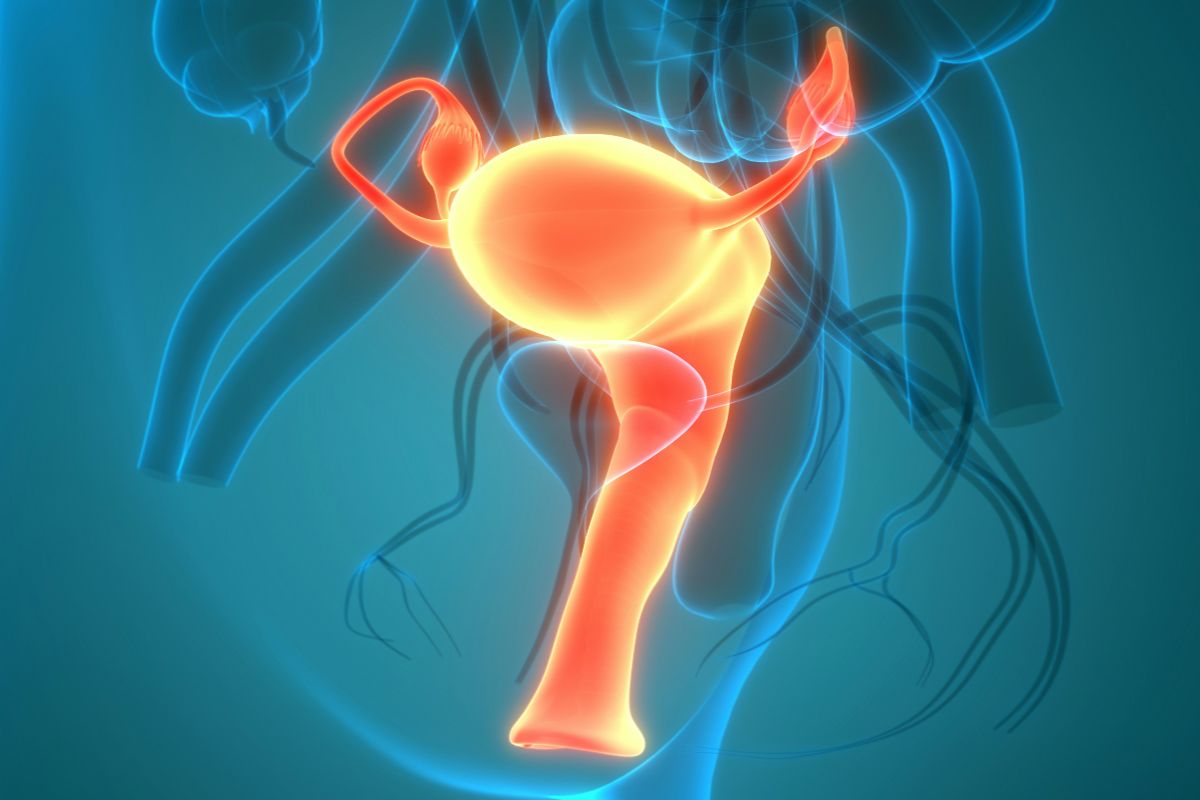
The pelvic floor acts as a supportive sling beneath the bladder and around the urethra. Together with the urethral sphincter, these muscles keep the urethra closed against rises in pressure. When they are weakened, stretched, or damaged, they can no longer effectively counteract intra-abdominal forces — and leakage results.
Pregnancy and childbirth
For women, vaginal delivery is the single greatest risk factor for SUI. The sustained weight of pregnancy and the physical forces of labour can stretch, tear, or damage the pelvic floor muscles and the nerves that control them. Around 50% of women in UK studies report that their incontinence began after childbirth. Postnatal pelvic floor exercises can significantly reduce this risk.
Menopause and ageing
The decline in oestrogen that accompanies menopause causes the tissues of the urethra and bladder neck to thin and weaken, reducing their ability to maintain continence. The prevalence of urinary incontinence rises substantially after the age of 50, largely as a result of these hormonal changes.
Other contributing factors
- Excess body weight: places continuous pressure on the bladder and pelvic floor. Weight loss often produces a measurable reduction in SUI symptoms.
- Chronic cough: asthma, chronic bronchitis, or smoking-related cough creates repeated, forceful episodes that strain the pelvic floor over time.
- High-impact sport: long-distance running, gymnastics, or repeated jumping can place excessive cumulative strain on pelvic floor structures.
- Prior pelvic surgery: hysterectomy or other pelvic procedures can sometimes affect the supportive tissues around the bladder and urethra.
How is stress incontinence diagnosed?
If you suspect you have SUI, speaking to a healthcare professional is the essential first step. There is no reason to manage this condition in silence. Diagnosis typically involves the following:
- Medical history: your GP or pelvic health physiotherapist will ask about your symptoms, when and how leaks occur, your obstetric history, medications, and other relevant health information.
- Bladder diary: you may be asked to record your fluid intake, voiding times, and leakage episodes over a few days to provide objective data.
- Physical examination: for women, a pelvic examination assesses pelvic floor muscle strength and checks for prolapse. A cough stress test — where you cough while the clinician observes the urethra — is a simple way to confirm the diagnosis.
- Urinalysis: a urine sample is tested to rule out a urinary tract infection or haematuria, which can produce similar symptoms.
- Urodynamic testing: specialist tests measuring bladder pressure and urine flow, used when the diagnosis is unclear or surgical intervention is being considered.
💡 In the UK, you can ask your GP for a referral to a pelvic health physiotherapist on the NHS. NICE recommends supervised pelvic floor muscle training — a minimum of three months — as the first-line treatment for SUI before any surgical intervention is considered.
How stress incontinence affects daily life
Living with bladder control problems takes a toll that extends well beyond the physical inconvenience of leakage. Research consistently shows that incontinence is associated with social withdrawal, reduced physical activity, and a measurable impact on mental health.
Emotional and social impact
- Avoiding exercise, particularly running, gym classes, or group sports.
- Declining social events or travel due to worry about toilet access.
- Anxiety during work presentations or public speaking, for fear of a cough-induced leak.
- Reduced confidence and avoidance of intimacy because of the risk of leakage.
A Canadian study of women with urinary incontinence found that more than 15% had experienced major depression in the previous year. Addressing SUI early — before it shapes your lifestyle — can meaningfully restore confidence and quality of life.
Treatment options for stress incontinence
Treatment for SUI ranges from simple, non-invasive changes to medical and surgical options. NICE recommends starting with conservative approaches, which are effective for the majority of women.
Lifestyle changes
- Weight management: losing excess weight is one of the most effective non-surgical ways to reduce pressure on the bladder and pelvic floor.
- Reducing caffeine and alcohol: both are diuretics and bladder irritants. Cutting back can reduce urine volume and bladder sensitivity.
- Bladder training: gradually increasing the time between toilet visits helps improve bladder capacity and control, and complements pelvic floor muscle training.
- Managing constipation: straining during bowel movements places repeated stress on the pelvic floor. A fibre-rich diet and adequate hydration reduce this risk.
Pelvic floor muscle training (Kegel exercises)
This is the cornerstone of conservative SUI treatment and the approach recommended by NICE as the first line of care. Regular, correctly performed Kegel exercises build the strength, endurance, and coordination of the muscles supporting the urethra.
For SUI, the key is developing a fast, reactive contraction — the ability to engage the pelvic floor quickly in response to a sudden rise in intra-abdominal pressure, such as a cough or sneeze. This reflex contraction, sometimes called the "Knack," is what prevents leakage at the moment of effort.
Many women benefit significantly from working with a pelvic health physiotherapist who can confirm correct technique and tailor a programme to individual needs.
Incontinence products
For immediate, discreet management, pads, liners, and protective underwear designed specifically for urinary leakage can help maintain confidence during exercise or daily activities while training progresses.
Medical treatments
- Vaginal pessary: a small, removable device fitted by a healthcare professional and inserted into the vagina to provide mechanical support to the urethra and bladder neck. Particularly useful during exercise.
- Medications: unlike urge incontinence, there are very few medications with proven efficacy for SUI. Medication is generally not a primary treatment option.
Surgical options
Surgery is considered when conservative treatments have not produced sufficient improvement. It is reserved for moderate to severe SUI.
- Midurethral sling (tape procedure): the most common surgical approach on the NHS, placing a small piece of mesh or the patient's own tissue under the urethra to create a supportive hammock. NHS data show around 28,000 such procedures are carried out in England each year.
- Urethral bulking agents: substances injected around the urethra to increase closure. A less invasive option, though results may require repeat procedures over time.
Can stress incontinence improve without surgery?
For many women, yes. NICE recommends a minimum of three months of supervised pelvic floor muscle training before surgery is considered, and research supports this approach. A holistic approach that combines pelvic floor training with lifestyle adjustments can produce substantial, lasting improvement.
Practices such as yoga focused on core stability and hip mobility can complement targeted Kegel training. Maintaining good hydration and a fibre-rich diet to prevent constipation also removes unnecessary strain from the pelvic floor. These habits support, but do not replace, dedicated pelvic floor muscle training.
How Perifit can help women with stress incontinence
The challenge with Kegel exercises is knowing whether you are performing them correctly and staying consistent over time. This is where Perifit Care and Perifit Care+ can make a significant difference. These biofeedback devices connect to your smartphone and measure the strength and quality of your pelvic floor contractions in real time, displaying them on screen. This allows you to see your muscles working — which is essential for performing exercises correctly and building meaningful progress.
The SUI training programme
The Perifit Stress Incontinence programme focuses on contractions that are quick and strong — the type needed to build the reactive pelvic floor response that prevents leakage during coughing, sneezing, jumping, or exercise. This fast-twitch training improves the reflex speed and strength of the pelvic floor, strengthening the link between muscle activation and physical effort.
Expected results
Research indicates that around 3 in 4 women with SUI who perform regular pelvic floor muscle training experience a measurable improvement in leak symptoms, and approximately half stop leaking entirely. Some women begin to notice fewer leaks within a few weeks; for others, optimal results require three to six months of consistent training. Consistency is the most important factor for lasting improvement.
Stress urinary incontinence is a common and highly treatable condition. It is not something you have to quietly accept. The problem lies in pelvic floor weakness — and targeted, consistent training directly addresses that weakness.
Whether you start with lifestyle changes, work with a pelvic health physiotherapist, or use a tool like Perifit to guide and motivate your Kegel practice, meaningful improvement is achievable for the vast majority of women. The first step is the most important: speaking to a healthcare professional and committing to a structured programme. A confident, leak-free daily life is within reach.
Sources
- PMC / BMC Urology — Geographical variation in rates of surgical treatment for female stress urinary incontinence in England (2019)
- Primary Health Care Research & Development — Prevalence of female urinary incontinence and its impact on quality of life in a cluster population in the UK
- Royal College of Obstetricians and Gynaecologists (RCOG) — Calling for action to reduce the number of women living with poor pelvic floor health