That sudden, intense, "gotta go right now" feeling is more than just an inconvenience. If you find yourself constantly rushing to the loo, or if those intense urges sometimes lead to leaks, you may be experiencing symptoms of overactive bladder (OAB). According to the Urology Foundation, an estimated 5 million people in England live with OAB today — a figure projected to exceed 7 million by 2035, driven largely by an ageing population. Despite this, many people never seek help, often assuming their symptoms are an inevitable part of getting older. They are not. OAB is a recognised medical condition, and effective, non-invasive treatments exist.
What is overactive bladder (OAB)?
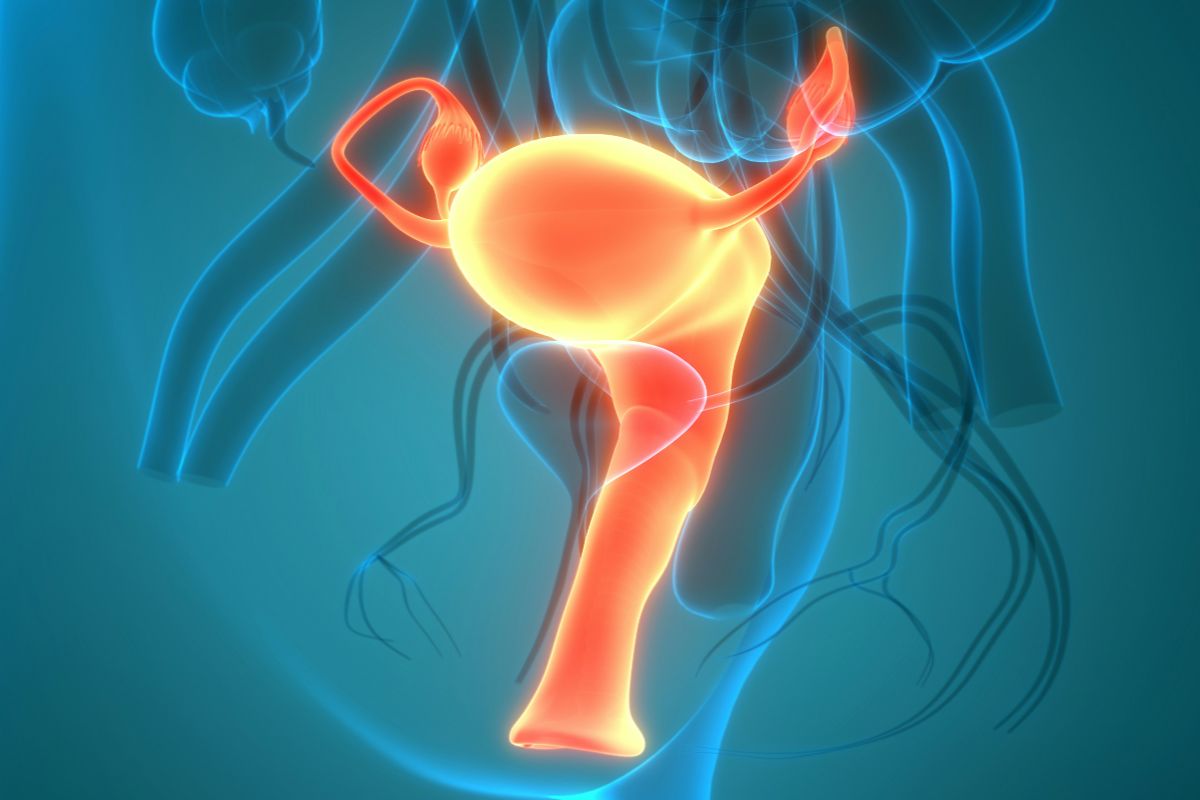
According to the International Continence Society (ICS), overactive bladder is defined by the presence of urinary urgency, usually accompanied by frequency (urinating too often) and nocturia (waking up to urinate during the night), with or without urgency urinary incontinence. OAB is a symptom complex — not a disease in itself — characterised by the sudden, difficult-to-defer desire to urinate. This sensation is caused by an involuntary contraction of the detrusor muscle in the bladder wall, often reflecting disrupted communication between the bladder, pelvic floor muscles, and nervous system rather than a structural abnormality alone.
There are two types of OAB:
- "Wet" OAB: urgency accompanied by accidental urine leakage (urinary incontinence).
- "Dry" OAB: urgency without any leakage.
OAB affects around 12 to 14% of women in the UK (The Lancet, 2025), and approximately 16% of all adults aged 40 and over across Europe, with prevalence rising significantly with age. It is not a normal part of ageing, but it is a treatable condition. Recognising these symptoms is the first step towards getting the right support.
💡 OAB is estimated to cost the NHS in England around £3.7 billion annually — a figure that could exceed £5 billion by 2035 (Urology Foundation, 2023). Yet many people wait years before seeking help. Talking to your GP or a pelvic health physiotherapist is a great starting point.
Common overactive bladder symptoms to watch for
The symptoms of OAB are more than a nuisance: they are signs that your bladder's signalling system is overly sensitive. Research published in The Lancet found that in severe cases, 60% of women with OAB report avoiding leaving home, and 50% report avoiding sexual activity. Understanding the core symptoms helps you describe your condition accurately to a healthcare professional.
- Urinary urgency: the hallmark symptom. A sudden, compelling desire to pass urine that is difficult to postpone. This intense urge often dictates your activities and can cause significant anxiety.
- Urinary frequency: urinating more than eight times in a 24-hour period. This constant need to void means you are frequently seeking out toilets, whether at work, while running errands, or while travelling.
- Nocturia: the need to wake one or more times during the night specifically to urinate. Nocturia fragments sleep, leading to chronic fatigue, poor concentration, and a lower quality of life.
These symptoms often create a cycle of anxiety and preemptive toilet trips — voiding "just in case" — which gradually trains the bladder to tolerate smaller volumes and reinforces urgency patterns over time. Addressing these behaviours is a key part of effective OAB management.
What causes overactive bladder?
The exact cause of OAB is not always clear, but it often involves a combination of factors that disrupt normal communication between the bladder, nerves, and brain, leading to the involuntary contraction of the detrusor muscle. Common contributing factors include:
- Abnormal bladder muscle contractions (detrusor instability): the detrusor muscle may contract too early, signalling an urge to urinate before the bladder is full.
- Nerve damage: conditions such as multiple sclerosis, Parkinson's disease, stroke, or spinal cord injury can interfere with the nerve signals that tell the brain when the bladder is full.
- Dietary irritants: caffeine, alcohol, and acidic drinks can irritate the bladder lining and increase both urine volume and urgency frequency.
- Age-related changes: shifts in bladder capacity, muscle strength, and hormone levels can contribute to OAB symptoms, even though OAB is not an inevitable part of ageing.
- Underlying medical conditions: poorly controlled diabetes, urinary tract infections (UTIs), bladder stones, or bladder tumours can mimic or worsen OAB symptoms. In men, an enlarged prostate (benign prostatic hyperplasia) can obstruct urine flow and contribute to an overstressed bladder.
- Pelvic floor dysfunction: weakness, poor coordination, or delayed activation of the pelvic floor muscles can reduce the body's ability to inhibit involuntary bladder contractions.
Diagnosing overactive bladder: what to expect
Getting an accurate diagnosis is the essential first step towards finding relief. Because OAB symptoms can overlap with other conditions, your healthcare professional — whether a GP, urologist, urogynaecologist, or pelvic health physiotherapist — will follow a thorough process to rule out other causes.
- Initial consultation and medical history: your clinician will discuss your symptoms in detail — their duration, frequency, severity, and impact on your quality of life — and review your general health, medications, and fluid intake.
- Physical examination: this may include a neurological assessment and a pelvic examination (for women) or a digital rectal examination (for men) to assess muscle tone and rule out underlying issues.
- Bladder diary: one of the most important diagnostic tools. You will be asked to record the time and volume of every void, your fluid intake, and any episodes of urgency or leakage, typically over three to seven days.
- Urine analysis (urinalysis): a urine sample will be tested for signs of infection, blood, or glucose, as these can mimic OAB symptoms.
- Post-void residual (PVR) measurement: a simple bladder ultrasound checks how much urine remains after you empty your bladder. A significant residual volume can contribute to urinary frequency.
- Urodynamic studies: if initial treatments are unsuccessful or the diagnosis is unclear, specialist testing may be ordered to measure bladder pressures and function during filling and emptying.
💡 In the UK, you can ask your GP for a referral to a pelvic health physiotherapist (also known as a women's health physio), available on the NHS in many areas. Some trusts also allow self-referral. They are specially trained to diagnose and treat OAB.
Lifestyle and behavioural changes for overactive bladder
The most accessible and often the most effective first-line treatment for OAB involves making strategic changes to your daily habits. NICE (National Institute for Health and Care Excellence) recommends these non-invasive approaches before medication is considered.
1. Bladder retraining (scheduled voiding)
Bladder retraining is a technique designed to gradually increase the time between toilet visits, effectively resetting the bladder-brain connection. The goal is to learn to suppress the urge rather than immediately giving in to it.
- Keep a bladder diary for several days to determine your current average interval between voids.
- Set a fixed voiding schedule based on this interval (for example, every 60 to 90 minutes), whether or not you feel the urge.
- When urgency strikes before your scheduled time, use distraction, deep breathing, or a quick pelvic floor contraction (a "quick flick" Kegel) to suppress the urge until your next scheduled visit.
- Gradually extend the interval by 15 to 30 minutes every week or two. Over time, this helps your bladder hold more urine and reduces urgency and frequency.
2. Dietary modifications
What you drink and eat can irritate the bladder lining, triggering spasms and urgency. Identifying and reducing individual bladder irritants is a powerful management tool.
- Reduce common irritants: caffeine (coffee, tea, cola), alcohol, carbonated drinks, and highly acidic foods such as citrus fruits, tomatoes, and spicy foods. Try eliminating one irritant at a time for two weeks to assess the impact on your symptoms.
- Manage fluid timing: do not restrict fluids drastically (concentrated urine is itself a bladder irritant), but consider reducing intake gradually during the evening to minimise nocturia.
- Address constipation: a full bowel places pressure on the bladder and can worsen OAB symptoms. Adequate fibre and fluid intake supports regular bowel movements.
3. Pelvic floor muscle training
Pelvic floor exercises (commonly referred to as Kegel exercises) are a cornerstone of OAB management. Strengthening these muscles is crucial for controlling urgency and preventing urgency-related leaks.
- The mechanism: the pelvic floor muscles wrap around the urethra. A strong, quick contraction — the "quick flick" — triggers the detrusor inhibitor reflex, signalling the bladder muscle to relax and reducing the urge to void.
- How to perform: contract the muscles as if you are trying to stop the flow of urine and prevent passing wind simultaneously. Focus on a strong, quick lift rather than a prolonged squeeze.
- The Knack technique: use a quick, strong contraction immediately when you feel the first sign of urgency. This reactive use is key for managing OAB symptoms day-to-day.
- Regular training: holding contractions for 5 to 10 seconds, repeated 10 times, three times a day builds the endurance needed for consistent symptom control.
For best results, a consultation with a pelvic health physiotherapist is strongly recommended. They can confirm you are using the correct technique and tailor a programme to your specific needs.
Can Perifit Care or Care+ help with overactive bladder?
The Perifit approach to OAB is rooted in a specific training mechanism. The Urge Incontinence programme focuses on training the levator ani muscles (the main part of the pelvic floor) to trigger the detrusor inhibitor reflex (also known as the Mahony reflex). When trained correctly, a strong, sustained pelvic floor contraction can automatically suppress the overactivity of the detrusor muscle, reducing the sudden, intense urge to urinate.
The programme targets two key muscle qualities:
- Endurance: training at lower intensity over longer intervals targets slow-twitch muscle fibres. A sustained contraction helps maintain the inhibitory reflex, calming the bladder and allowing you to defer the urge.
- Strength: building sufficient muscle strength is essential to maintain continence and stop leaks associated with urgency.
Clinical research supports pelvic floor muscle training as an effective first-line approach for reducing urgency-related leakage and improving quality of life. Users report fewer daily leaks, less time spent planning around toilets, and a meaningful improvement in their overall wellbeing.
OAB affects millions of people in the UK, yet it remains significantly under-treated. The foundational, non-invasive approaches outlined here — bladder retraining, dietary adjustments, and targeted pelvic floor muscle training — are recommended by NICE as the first-line treatment and can provide significant relief when practised consistently.
By working with the right healthcare professionals and adopting urgency suppression techniques, you can actively reduce bladder spasms and regain confidence in your daily life. Relief is possible — and it often starts with understanding your own body.
Sources: