
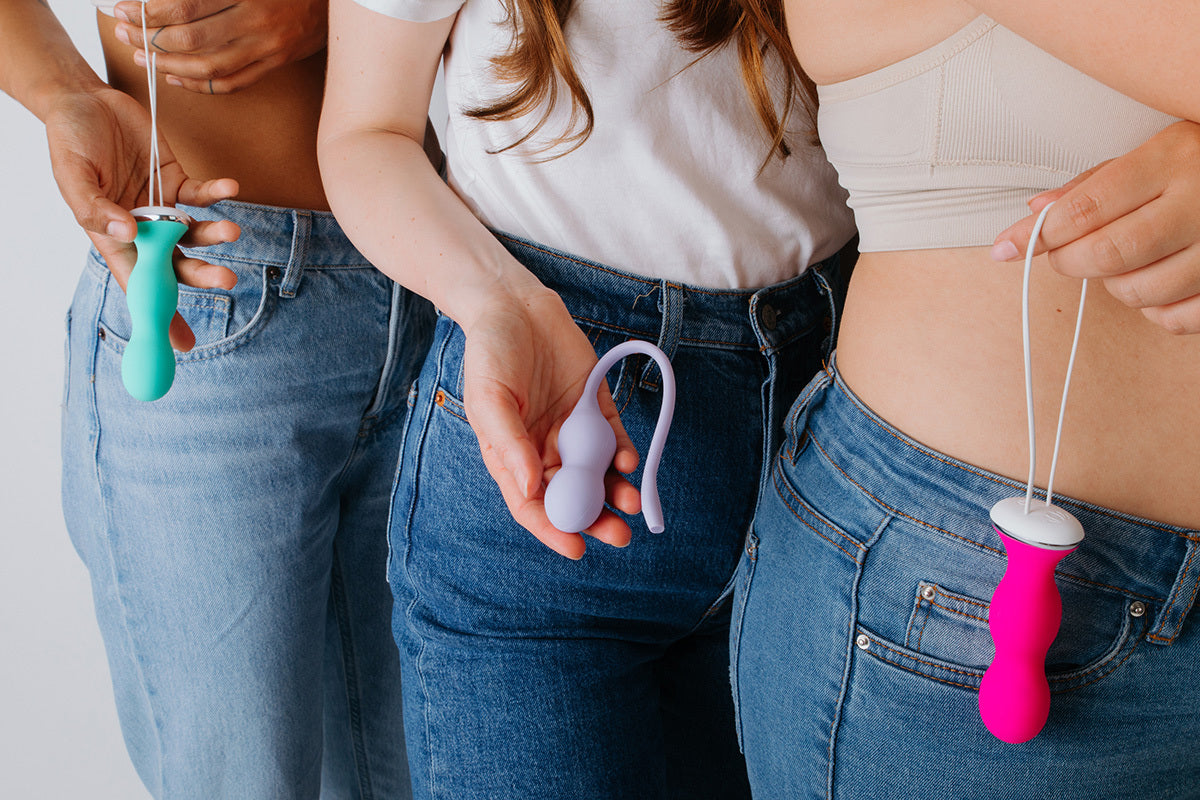
Kegel exercises are widely recommended across the UK, whether by your GP, midwife, or pelvic health physiotherapist. Yet many women perform them incorrectly, sometimes for years, without seeing the results they were hoping for. Done well, pelvic floor training can significantly improve bladder control, reduce pelvic organ prolapse risk, and support postpartum recovery. Done poorly, they can be ineffective or even counterproductive.
This guide walks you through the most common Kegel mistakes and how to correct them, so you can get the most out of every contraction.
Common Kegel exercise mistakes
1. Holding your breath
Many women instinctively hold their breath when concentrating on a contraction. This increases intra-abdominal pressure and places extra strain on the pelvic floor, which is the opposite of what you want.
💡 Breathe naturally throughout each exercise. Inhale to prepare, then exhale gently as you contract. This keeps your pelvic floor working with your breath rather than against it.
2. Contracting the wrong muscles
It is surprisingly common to tighten the buttocks, thighs, or abdominal muscles instead of the pelvic floor. If you notice your stomach or glutes tensing during a Kegel, you are likely not isolating the right muscles.
To find your pelvic floor, imagine you are trying to stop the flow of urine midstream, or prevent passing wind. You should feel a gentle lifting and squeezing sensation deep in the pelvis, with no movement elsewhere.
💡 If you consistently struggle to isolate the correct muscles, ask your GP for a referral to a pelvic health physiotherapist on the NHS. They can use internal assessment and biofeedback to guide you precisely.
3. Overdoing it
More is not always better. Overtraining the pelvic floor can cause muscle fatigue and may worsen symptoms such as pelvic pain or urinary urgency. Research suggests aiming for:
- 3 sets of 10 to 15 contractions per day
- Each hold lasting 3 seconds to begin with, building gradually to 10 seconds
- Rest for at least 5 seconds between each contraction
If you experience increased discomfort or symptoms, reduce the frequency and speak to a healthcare professional.
4. Skipping rest days
Like any muscle group, your pelvic floor needs recovery time. Training every single day without rest can lead to fatigue and reduce the effectiveness of your sessions. Aim for 5 to 6 days per week as a sustainable rhythm.
5. Failing to fully relax between contractions
A complete release is just as important as the squeeze itself. Skipping the relaxation phase can lead to a hypertonic (overly tight) pelvic floor, which carries its own set of symptoms including pelvic pain and difficulty with penetration.
After each contraction, take a slow, deep diaphragmatic breath and consciously let go for a full 5 seconds before repeating.
6. Practising in only one position
Most women do Kegels lying down, which is fine when you are starting out. However, to build functional strength, you need to practise in different positions: sitting, standing, and during activities such as walking or climbing stairs. This trains the pelvic floor to respond in the real-life situations where it matters most.
Common myths about Kegel exercises
Myth: more Kegels means faster results
Excessive repetitions do not accelerate progress. Overworking the pelvic floor can be counterproductive. Focus on quality of movement and consistent technique rather than volume.
Myth: you should always practise by stopping your urine flow
Stopping urine midstream is a useful way to locate your pelvic floor initially, but it should not become a regular practice. Doing so repeatedly can interfere with normal bladder function and increase the risk of urinary tract infections (UTIs).
Perform your exercises away from the toilet, at set times during the day.
Myth: Kegels can solve any pelvic floor problem
Kegel exercises are beneficial for many conditions, including stress urinary incontinence and postnatal recovery. However, if your pelvic floor is already too tight (hypertonic), strengthening exercises may worsen symptoms. Conditions such as vaginismus, pelvic pain, or certain types of prolapse may require a different approach.
💡 Always seek an assessment from a pelvic health physiotherapist before starting a pelvic floor programme, particularly if you are experiencing pain, prolapse symptoms, or ongoing bladder or bowel problems. In the UK, you can request a referral through your GP or access private pelvic health clinics directly.
Myth: Kegels are only for older women or those who have given birth
Pelvic floor training is relevant at every stage of life. Young women, athletes, and those who have never been pregnant can all benefit from maintaining good pelvic floor health. High-impact sport such as running, HIIT, or gymnastics can place significant load on the pelvic floor, making preventive training particularly valuable.
Myth: Kegels are only for women
Men also have a pelvic floor, and Kegel exercises are frequently recommended for men following prostate surgery or to address urinary incontinence and erectile dysfunction. Pelvic floor health is relevant to everyone.
How a smart Kegel trainer like Perifit can help you avoid these mistakes
One of the most effective ways to ensure you are performing Kegels correctly is to use a smart pelvic floor trainer with biofeedback. These devices use sensors to detect the strength, duration, and quality of your contractions in real time, giving you visual confirmation that you are engaging the right muscles.
Features to look for include:
- Real-time biofeedback to confirm correct muscle activation
- Personalised training programmes that adapt to your progress
- Guidance on both contraction and relaxation phases
- Progress tracking over time to keep you motivated
Devices such as the Perifit Care+ use dual-sensor technology to provide this level of precision, making it significantly easier to identify and correct faulty technique from the very first session.
Kegel exercises are a simple, evidence-based tool for pelvic floor health, but technique matters enormously. By avoiding the most common mistakes, such as breath-holding, contracting the wrong muscles, overtraining, and skipping the relaxation phase, you give yourself the best chance of seeing real improvement.
If you are unsure whether you are exercising correctly, or if you have symptoms that are not improving, do not hesitate to speak to your GP or ask for a referral to a pelvic health physiotherapist. You deserve support that is tailored to you.
Sources