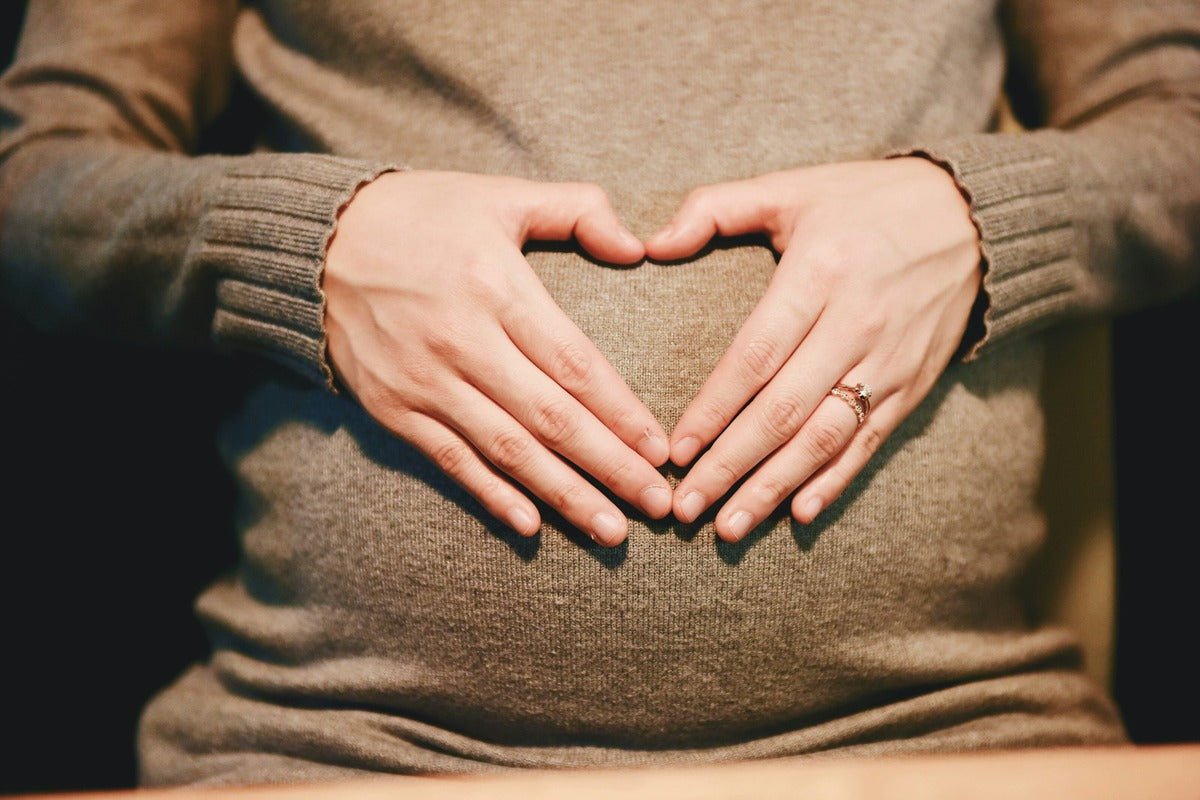
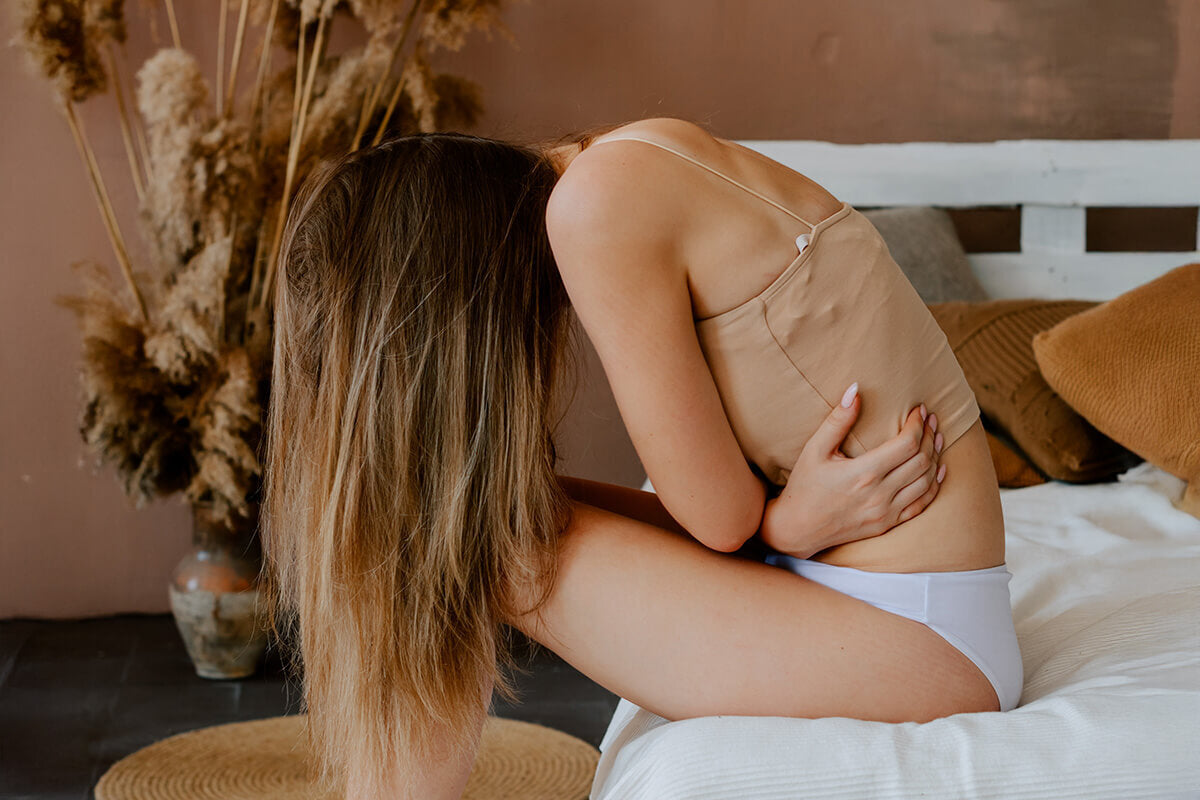
Pelvic floor pain during menstruation is far more common than you might think. Around 20% of women experience it regularly. In fact, 50% of women have menstrual pain for 1 to 2 days a month, with 1 in 5 limiting their daily activities, missing work, or struggling to concentrate because of the discomfort.
There are real solutions. In this article, we explore the causes, symptoms, and relief strategies for period pelvic pain, whether you experience it occasionally or chronically.
Symptoms of pelvic floor pain related to your menstrual cycle
Experiencing pelvic floor pressure during your period is more common than many people realise. Your menstrual cycle can trigger a range of uncomfortable sensations in the pelvic region, from dull aches to sharp cramps.
Common symptoms include:
- Throbbing or cramping pain in the lower abdomen
- A dull, continuous ache that may spread to the lower back and thighs
- Increased pelvic pressure or heaviness
- Discomfort during urination or bowel movements
These symptoms typically begin 1 to 3 days before menstruation and peak within 24 hours of onset. For some women, the discomfort can be severe enough to disrupt everyday life.
Causes of pelvic floor pain during your period
Hormonal fluctuations
During menstruation, hormonal changes can trigger pelvic floor muscle tension, leading to discomfort and pain. As oestrogen levels drop, the pelvic floor muscles may contract more intensely. This heightened muscular activity can result in cramping and a sensation of pelvic pressure throughout your period.
Uterine contractions
As the uterus sheds its lining, it contracts to expel menstrual blood. These contractions can cause pain that radiates into the pelvic floor muscles. For some women, these contractions are particularly strong, leading to more severe discomfort.
Underlying conditions
Certain health conditions can worsen pelvic floor pain during your period. Endometriosis, in which tissue similar to the uterine lining grows outside the uterus, is a common cause of significant pelvic pain that intensifies during menstruation. Conditions such as adenomyosis or uterine fibroids may also contribute to increased discomfort.
💡 Although many women have come to accept pelvic floor discomfort as "just part of being a woman", severe or persistent pain always warrants a consultation with a healthcare professional, such as your GP or a women's health physiotherapist.
Does diet affect pelvic floor pain during menstruation?
Your diet can indeed influence pelvic floor pain during your period. Research has shown that certain dietary choices may help reduce menstrual discomfort.
A diet rich in anti-inflammatory foods such as fruits, vegetables, and wholegrains has been associated with reduced menstrual pain intensity. Studies suggest that omega-3 fatty acids, found in oily fish, can lower inflammatory prostaglandins and potentially ease pelvic floor pain.
Conversely, a high intake of processed foods and refined sugars may worsen symptoms. Adequate hydration and fibre intake are also key factors in managing menstrual discomfort.
That said, dietary changes work differently for everyone. Some women find significant relief, while others may need additional support.
Can a weak pelvic floor cause heavy periods?
A weak pelvic floor can contribute to heavier periods. The pelvic floor muscles help support the uterus. When these muscles are weakened, the uterus may not be held as firmly in place, which can allow it to tilt backwards, a condition known as a retroverted or retroflexed uterus.
A tilted uterus can put pressure on the veins responsible for draining it, impairing blood flow and potentially leading to heavier menstrual bleeding. Weak pelvic floor muscles may also fail to contract efficiently during menstruation, resulting in longer, heavier periods.
Strengthening the pelvic floor through Kegel exercises may help improve uterine support and reduce blood loss in women affected by weakness in this area.
What is the difference between menstrual cramps and pelvic pain?
Menstrual cramps and pelvic pain are often confused, but they are distinct experiences.
Menstrual cramps, or dysmenorrhoea, are specific to your period. They are caused by uterine contractions and typically felt as throbbing or cramping in the lower abdomen, usually starting 1 to 3 days before your period and peaking within 24 hours.
Pelvic pain, on the other hand, is a broader term. It can occur at any point in your cycle and may be linked to various conditions affecting the reproductive organs, digestive system, or urinary tract. Chronic pelvic pain lasts for at least 6 months and can significantly impact quality of life.
While menstrual cramps are often manageable with over-the-counter pain relief or heat therapy, persistent pelvic floor pain during menstruation may indicate an underlying condition such as endometriosis or fibroids. If you experience severe or prolonged pelvic pressure during your period, it is important to consult a healthcare professional for a proper diagnosis.
Can I use Perifit Care whilst on my period?
The short answer is: yes, absolutely.
Whether or not you choose to use Perifit Care during your period is entirely up to you. There is no medical reason not to, and many women find they actually prefer to continue their routine throughout their cycle.
💡 Throughout your cycle, your Perifit scores may naturally vary. This is nothing to worry about; it simply reflects the normal fluctuations in pelvic floor strength that occur as part of your monthly cycle.
Do bear in mind that hygiene is essential. Clean your Perifit Care device thoroughly before and after each use to prevent any risk of infection. A gentle, fragrance-free cleanser and warm water are all you need.
If you experience any discomfort whilst using the device during your period, it is perfectly fine to pause and resume once your period has ended. Listen to your body and do what feels right for you.
How to relieve pelvic pain during your period
Apply heat and move gently
Applying heat to your lower abdomen can help relax tense muscles and ease pelvic floor pain. A hot water bottle or warm bath for 15 to 20 minutes can work wonders. Light movement such as stretching or a gentle walk can also increase blood flow and stimulate the release of pain-relieving endorphins.
Try medication and relaxation techniques
Over-the-counter pain relief such as ibuprofen can reduce inflammation and cramp intensity. For longer-term management, hormonal contraception may help regulate menstrual symptoms. Relaxation practices such as diaphragmatic breathing, meditation, or gentle yoga can also ease pelvic tension.
💡 A women's health physiotherapist or midwife can offer personalised guidance on pelvic floor relaxation techniques, particularly if your pain is recurrent or severe.
Consider pelvic floor exercises
Strengthening your pelvic floor through Kegel exercises may provide meaningful relief from pelvic pressure during your period. There is no medical reason to avoid these exercises whilst menstruating.
Devices such as Perifit Care+ can guide you through the correct technique using biofeedback and a dedicated app.
When to see a doctor for pelvic floor pain during menstruation
Some discomfort during your period is normal. However, severe or persistent pelvic floor pain may warrant professional attention. If your pain interferes with your daily activities or lasts beyond the first 1 to 2 days of your cycle, it is time to speak to your GP.
Severe symptoms
Seek prompt medical advice if you experience sharp, sudden pelvic pain accompanied by heavy bleeding, fever, or fainting. These may indicate a serious condition requiring urgent assessment.
Persistent issues
If recurrent pelvic floor pressure during your periods does not improve with standard pain relief, consult a medical professional. Chronic pelvic pain can be a sign of an underlying condition such as endometriosis or fibroids. Internal manual therapy by a pelvic specialist, or the use of a pelvic wand to address muscle spasms, can be highly effective in reducing pain.
Pelvic floor pain during your period is real, it is common, and it does not have to rule your life. From hormonal changes to lifestyle adjustments, understanding the root causes is the first step towards finding lasting relief.
Whether you opt for a hot water bottle, pelvic floor exercises, or professional support from a physiotherapist or midwife, there are many paths to feeling better. And if you are wondering about using Perifit Care during your period, the answer is simple: go ahead, whenever you feel comfortable doing so.
Your pelvic health matters. Listen to your body, and do not hesitate to seek support.
Sources